
The Science Behind Déjà Vu: Why It Feels Like You’ve Lived a Moment Before
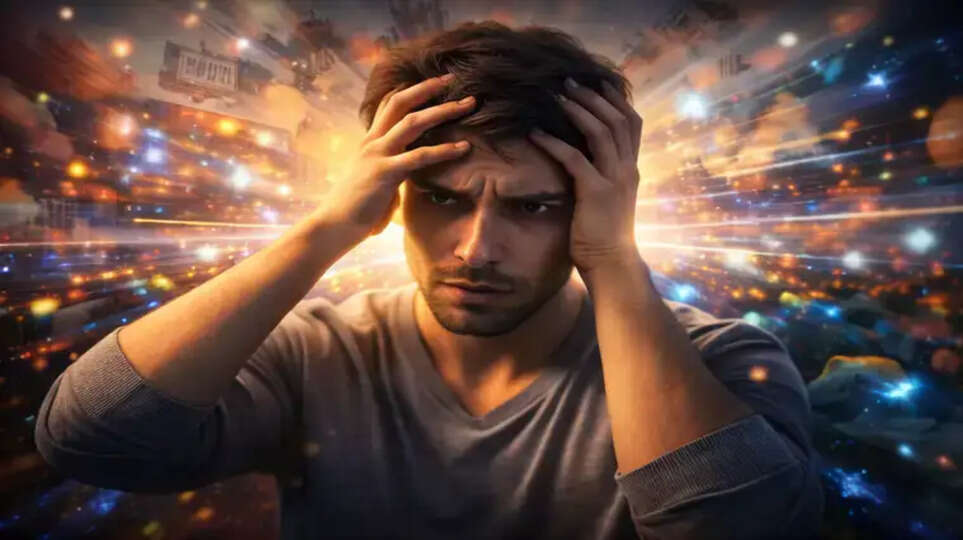
Almost everyone has experienced déjà vu at some point. It is that strange feeling when a completely new situation suddenly feels oddly familiar. For a brief moment, you may feel as if the exact same event has happened before, even though logically you know it hasn’t. Scientists have been studying this phenomenon for decades, yet it remains one of the most fascinating mysteries of the human brain.
One popular explanation suggests that déjà vu occurs due to a temporary glitch in the brain’s memory processing system. When the brain processes sensory information, it usually sends signals through separate pathways for perception and memory storage. If these signals become slightly out of sync, the brain may mistakenly interpret a current experience as a memory. Another theory focuses on familiarity.
The brain constantly compares new experiences with stored memories. Sometimes a small detail—such as a smell, lighting condition, or sound—can resemble something from the past. Even if the similarity is subtle, it may trigger the feeling that the entire moment has happened before. Neurologists have also discovered that déjà vu occurs more frequently in young adults and individuals with highly active imaginations. Interestingly, people who travel often or engage in creative thinking report experiencing it more frequently.
This suggests that the brain’s ability to form associations may play a role in triggering the sensation. While the mystery of déjà vu may never be completely solved, it provides fascinating insight into how the human brain processes reality. The phenomenon reminds us that our perception of time and memory is far more complex than we often realize.